Another paper published this April in the Journal of Environment Management found a relationship between heat waves, declining mental health, and alcohol consumption in Chinese people aged 50 and above. Looking at a sample of China’s population, it concluded that extreme heat led to more frequent drinking, with people reducing positive behaviors, such as exercising. But the total extent of climate-related substance abuse worldwide is currently unknown, limited by the relatively small amount of research that’s been done on the topic.
Once a bad climate event has passed, people’s behaviors don’t necessarily revert to how they were before. “Exposure to climate-related stressors—such as storms, floods, wildfires, and droughts—can lead to physical and psychological distress that often persists for months after the event,” says Francis Vergunst, an associate professor of psychosocial difficulties at the University of Oslo and a coauthor of the Perspectives paper.
Vergunst notes that in most cases, people’s new habits won’t tend to meet the diagnostic criteria for a substance-use disorder. However, the substance-use behaviors will still be harmful to the individual, their family, or the community.
Balaso Thorwat, who is in his mid-70s, lives in Khochi, a village in Kolhapur. It has flooded frequently in recent years. After losing vegetables worth $350 to flooding in 2019 and 40,000 kilograms of sugarcane worth over $1,400 in 2021, Thorwat was extremely stressed. “I was unable to sleep because of the mounting losses,” he says.
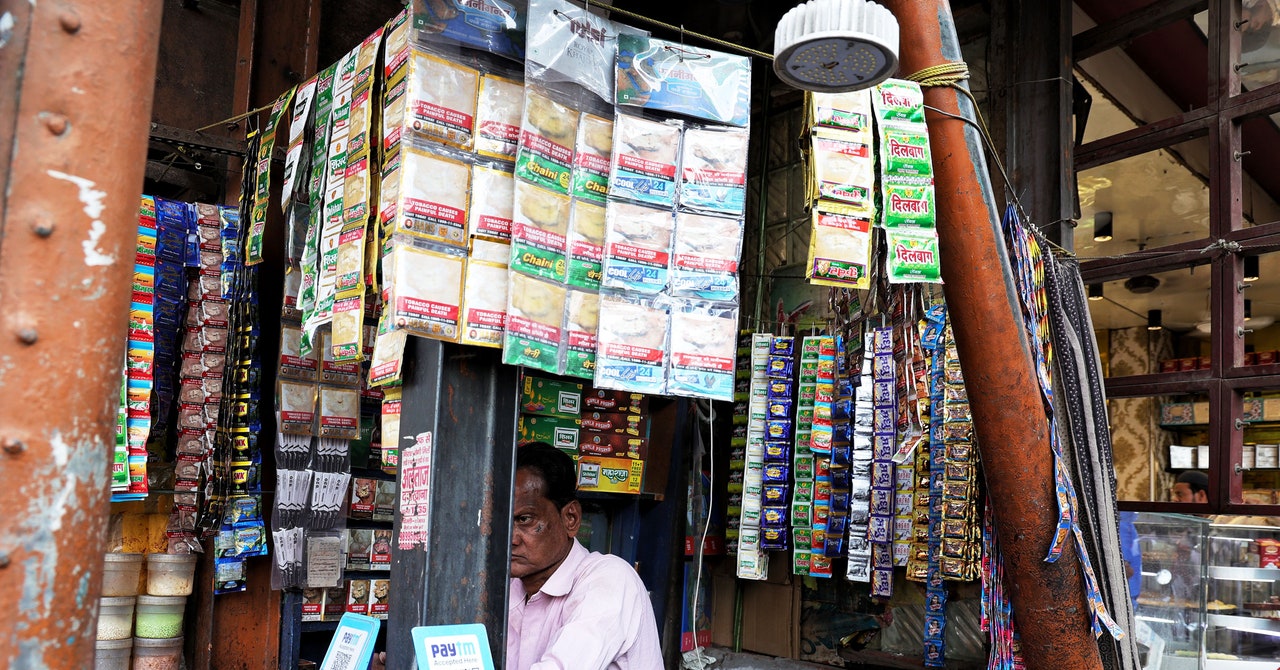
Thorwat went to the nearby public doctor, who offered him only the most basic advice: “Don’t stress.” With no one to talk to about his problems, it was easier for him to turn to country liquor—a type of locally made alcohol sold informally, often made from fermented sugarcane molasses, which is then distilled. “Whenever I feel stressed, I drink liquor. At least I can sleep peacefully after that,” he says. When I asked him how often he gets stressed, he replied: “Daily.” When alcohol didn’t help, he started chewing smokeless tobacco as well.
“Even teenagers are now seen resorting to substance abuse,” says Shubhangi Kamble, a health care worker from Arjunwad, another flood-affected village in Kolhapur, noting that in her observations, the issue has become much more prominent in the past three years. After speaking to over a hundred people from drought- and flood-affected villages, Kamble found a pattern: “There’s a lot of stress because people aren’t able to understand how the climate will keep changing.”
Related Posts
