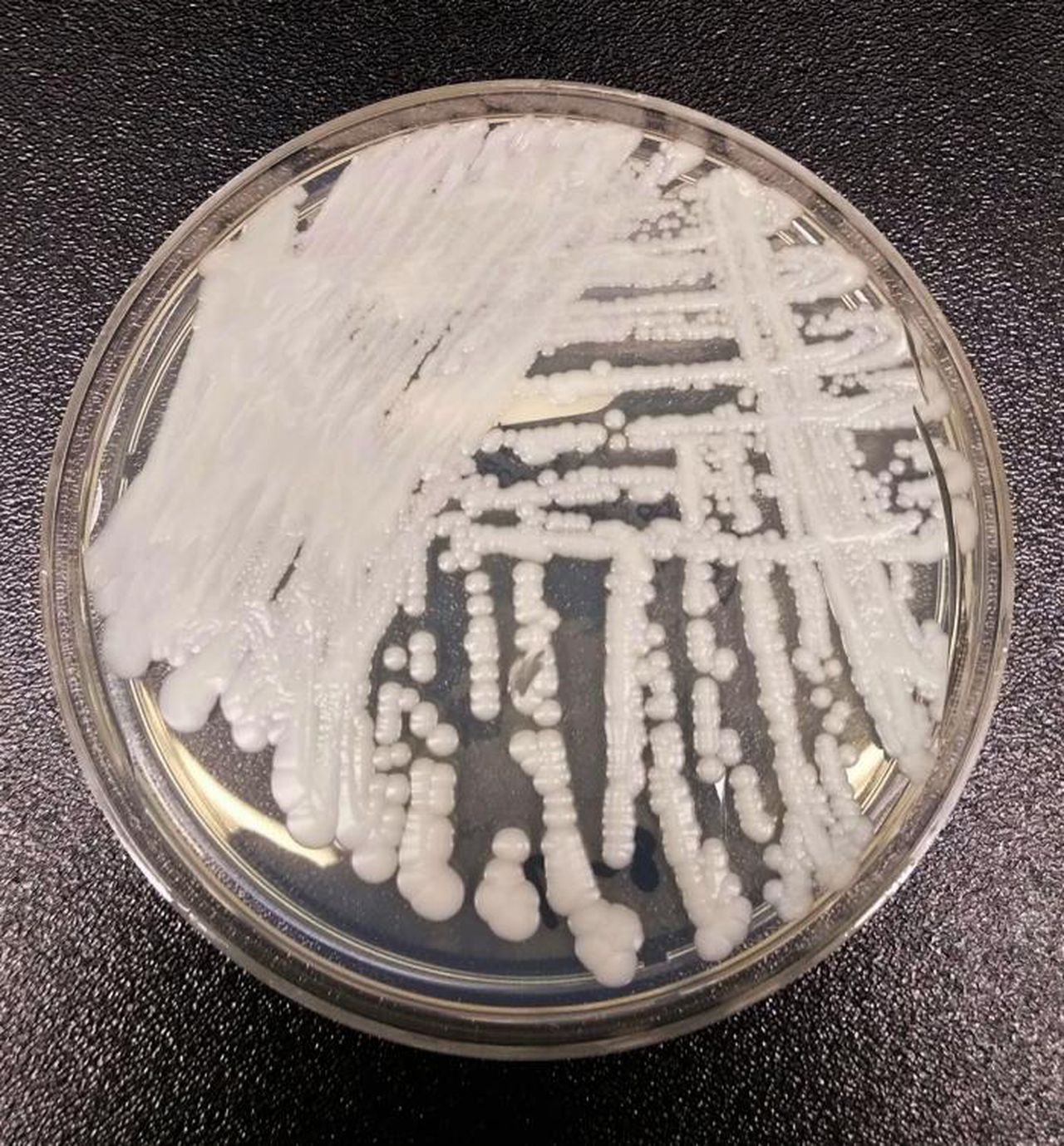
STATEN ISLAND, N.Y. — Parts of the U.S. have seen an uptick in a treatment-resistant fungus that previously had been identified on Staten Island, a Center for Disease Control and Prevention (CDC) study announced Friday.
Since January, the Antibiotic Resistance Laboratory Network has detected multiple independent clusters of Candida auris (C. auris) in Texas and Washington, D.C.
Most cases can be treated, but according to the CDC, C. auris is a yeast that can be resistant to multiple drugs, and is highly transmissible, resulting in health care-associated outbreaks, particularly in long-term care facilities.
When it colonizes a patient’s skin, the fungus leads to invasive infections, including bloodstream infections, in 5% to 10% of people, according to the CDC.
Of the three types of antifungal medication used to treat invasive infections — azoles, amphotericin B, and echinocandins — C. auris isolates to be resistant 85% of the time, 33% of the time, and 1% of the time, respectively.
“Echinocandin resistance is a concerning clinical and public health threat, particularly when coupled with resistance to azole and amphotericin B,” researchers wrote in their report.
Three cases of such an isolate were identified through skin colonization screening at one long-term care facility for severely ill patients in D.C., and two were identified in Texas, according to the CDC.
Additionally, doctors identified five isolates in Texas that were resistant to two types of antifungal treatment. All seven of the Texas cases were identified at two separate long-term care facilities that share patients.
The level of resistance that doctors found has been rarely identified, but three such cases were identified in New York form 2016 to 2019.
Staten Island’s three hospitals appeared on a list, published in the New York Times in June 2019, along with five long-term health care facilities and hospices. The Times’ list used information from the state that showed medical facilities that have treated patients with the fungus. New York was the first state in the nation to make such a list public.
In total, the list included 64 hospitals and 103 nursing homes, mostly centralized in Brooklyn, Queens and Manhattan.
According to July 16 data from the New York Department of Health (DOH), the clinical case count for C. auris is 853, and the screening case count is 1,080. Most cases remain concentrated among hospital patients and nursing home residents in New York City, according to DOH.
Related Posts

ダッチワイフ 本物の人々と実質的に同一のシリコーンのダッチワイフどのように合理的なダッチワイフはベッドであなたの野生の夢を終えることができますか?あなたが今まで経験した中で最も実用的に再現されたセックスあなたは賢明な大人の人形が女性であるとあなたは何を考えますか?